Health & Safety

Dengue Season in Hyderabad: How to Mosquito-Proof Your Home Before Monsoon 2026

April 12, 2026 4 min read Health, Prevention
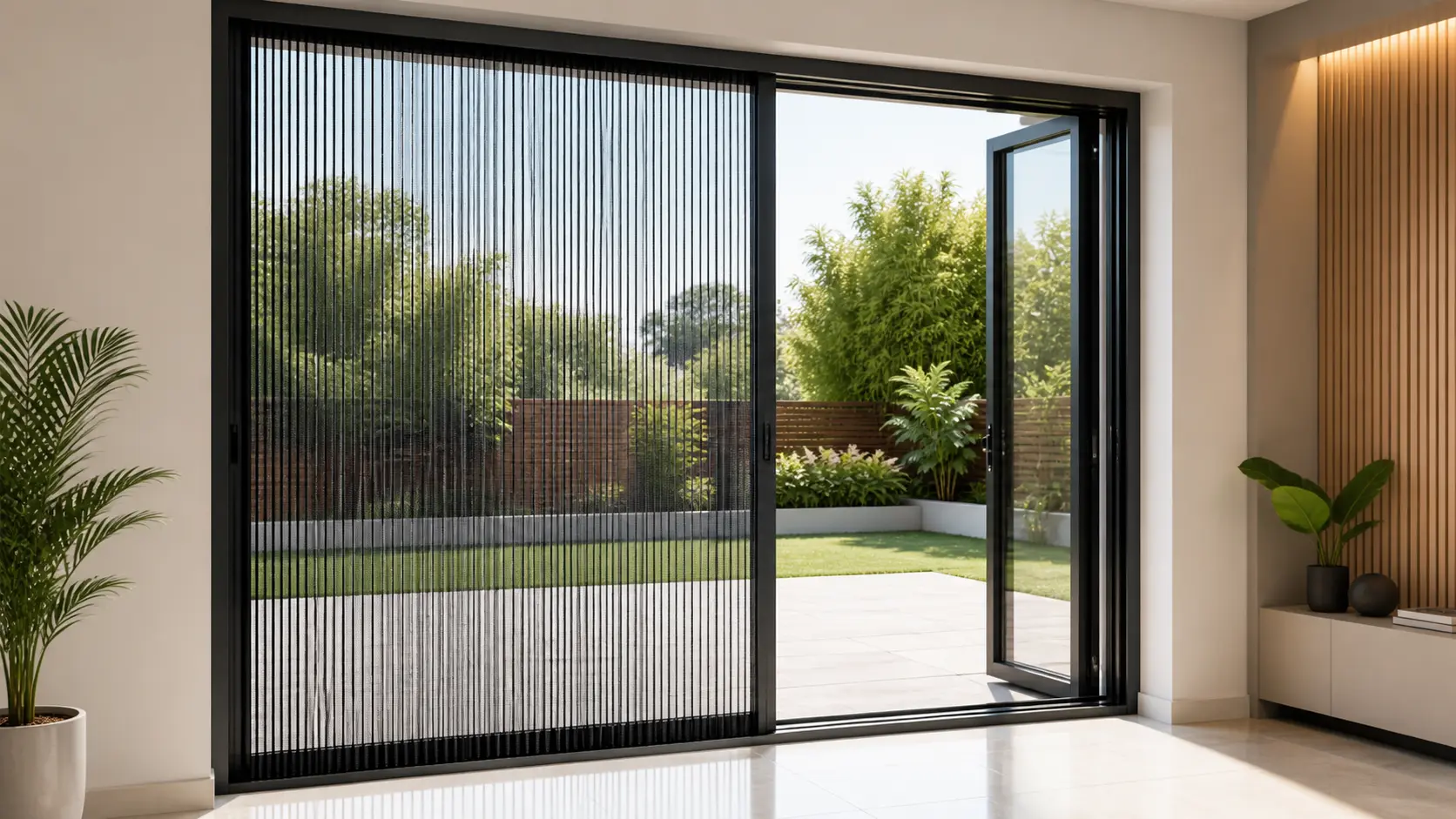
Mosquito-proofed balcony in Hyderabad home with screens protecting family during monsoon

Important

During the 2025 monsoon season, Hyderabad emerged as a focal point for vector-borne diseases in Telangana. While the state overall saw a significant 45% drop in seasonal illnesses compared to the previous year, the Greater Hyderabad region recorded a 6% increase in cases. Data from the National Centre for Vector Borne Diseases Control (NCVBDC) indicates that by August 2025, Telangana had logged 4,296 dengue cases, with a substantial portion originating from the capital city and its surrounding districts.

Why Monsoon Is the Highest Risk Period in Hyderabad

Hyderabad typically sees its first monsoon rains in June, with the heaviest rainfall from July to September. During this period, stagnant water accumulates in flower pots, cooler trays, water tanks, drains, and outdoor areas — creating perfect breeding grounds for Aedes mosquitoes.

The Aedes aegypti mosquito (dengue vector) breeds in clean, stagnant water and bites primarily during daylight hours — not just at night. This makes chemical repellents unreliable because you'd need to apply them continuously throughout the day.

Diseases to worry about this monsoon:

  • Dengue fever — high fever, severe joint pain, rash, bleeding risk
  • Chikungunya — severe joint pain that can last months
  • Malaria — Anopheles mosquito, breeds in stagnant water, bites at night
  • Zika virus — dangerous for pregnant women

Room-by-Room Protection Checklist

🛏️ Bedrooms

  • Install mosquito screens on all windows (retractable pleated or roller type)
  • Check existing screens for holes or tears — even a 2mm gap lets mosquitoes through
  • Ensure AC drain pipes and exhaust vents have mesh covers
  • Keep bedroom doors screened or closed after dusk

🍳 Kitchen

  • Install screens on kitchen windows (use SS304 mesh for easy cleaning near cooking areas)
  • Keep sink and drain areas dry when not in use
  • Cover fruit bowls and water vessels
  • Ensure exhaust fan has a mesh cover to prevent entry when not in use

🪴 Balcony

  • Install a Ziptrack or retractable pleated screen across the balcony opening
  • Remove or regularly empty plant saucers that collect water
  • Check cooler water trays — change water every 3 days
  • Seal any gaps between the balcony railing and ceiling

🚿 Bathrooms

  • Keep bathroom windows screened
  • Ensure floor drains have mesh covers
  • Do not leave water in buckets for more than 2 days

🪟 Living Room

  • Fit roller or pleated screens on all windows
  • If you use a window AC, seal the gap around the unit with foam tape
  • Keep the main door screened — a magnetic mesh door screen works well here

Common Mosquito Breeding Spots to Eliminate

Screens keep mosquitoes out of your home, but it's equally important to eliminate breeding sources. Here are the most common spots in Hyderabad apartments:

  1. Flower pot saucers — empty or fill with sand to prevent water collection
  2. Air cooler water trays — change water every 2–3 days during use
  3. Water storage tanks / drums — keep covered with a tight lid at all times
  4. Bird baths and decorative pots — change water weekly
  5. Unused tyres — drill drainage holes or store indoors
  6. Roof gutters — clear blockages so water doesn't pool
  7. Refrigerator drip trays — clean and empty monthly

Best Screens for Monsoon Protection in Hyderabad

Not all mosquito screens perform equally well during heavy monsoon rains and wind. Here's what we recommend for Hyderabad's monsoon conditions:

  • For balconies: Ziptrack screens with zipper edge sealing — wind-proof, rain-resistant, gap-free
  • For bedroom windows: SS304 mesh roller or pleated screens — rust-proof in humid conditions
  • For kitchen windows: Fixed frame SS304 — easy to clean, won't degrade from cooking vapour
  • For main door: Magnetic mesh door screen or retractable pleated door screen

Avoid fiberglass mesh for balcony and outdoor-facing openings during monsoon — the PVC coating can degrade faster under UV and rain exposure, and it is more likely to sag or loosen in its frame.

When to Get Screens Installed (Before It's Too Late)

This is the most important advice we can give: don't wait until the monsoon arrives. Here's why:

  • Mosquito net installation takes 3–7 days from order to completion (custom manufacturing needed)
  • Demand spikes every May–June — installation teams get fully booked weeks in advance
  • Installing screens in the dry season (March–May) gives you time to spot gaps or issues before the risk period

The ideal window for installation in Hyderabad is March to May — before pre-monsoon showers begin in late May. If you're reading this in June or later, call immediately for an expedited booking.

Don't wait for monsoon to arrive

Our installation team is fully booked during June–July. Book your free home survey now to secure your slot before mosquito season hits.